
Nueva Acrópolis

Save the Date

Saturday 5 December 2026

International Volunteer Day Format: online

Three languages: Spanish, Portuguese and English · Simultaneous interpretation

See city start times

The forum is underway

Days
Hours
Min
Sec

Ethics to Decide. Standards to Act. Technology to Prevent.

6th International Forum on Humanitarian Volunteering

Register

Reserve your place — limited seats

Convened by New Acropolis International

See proposed programme

Video

This is the Forum

A short introduction to the call: ethics, standards and technology for humanitarian volunteering.

Spanish audio · English captions

The Forum

A framework for volunteering that works

Open the cards below to go deeper. The page stays light; the ideas expand when you want them.

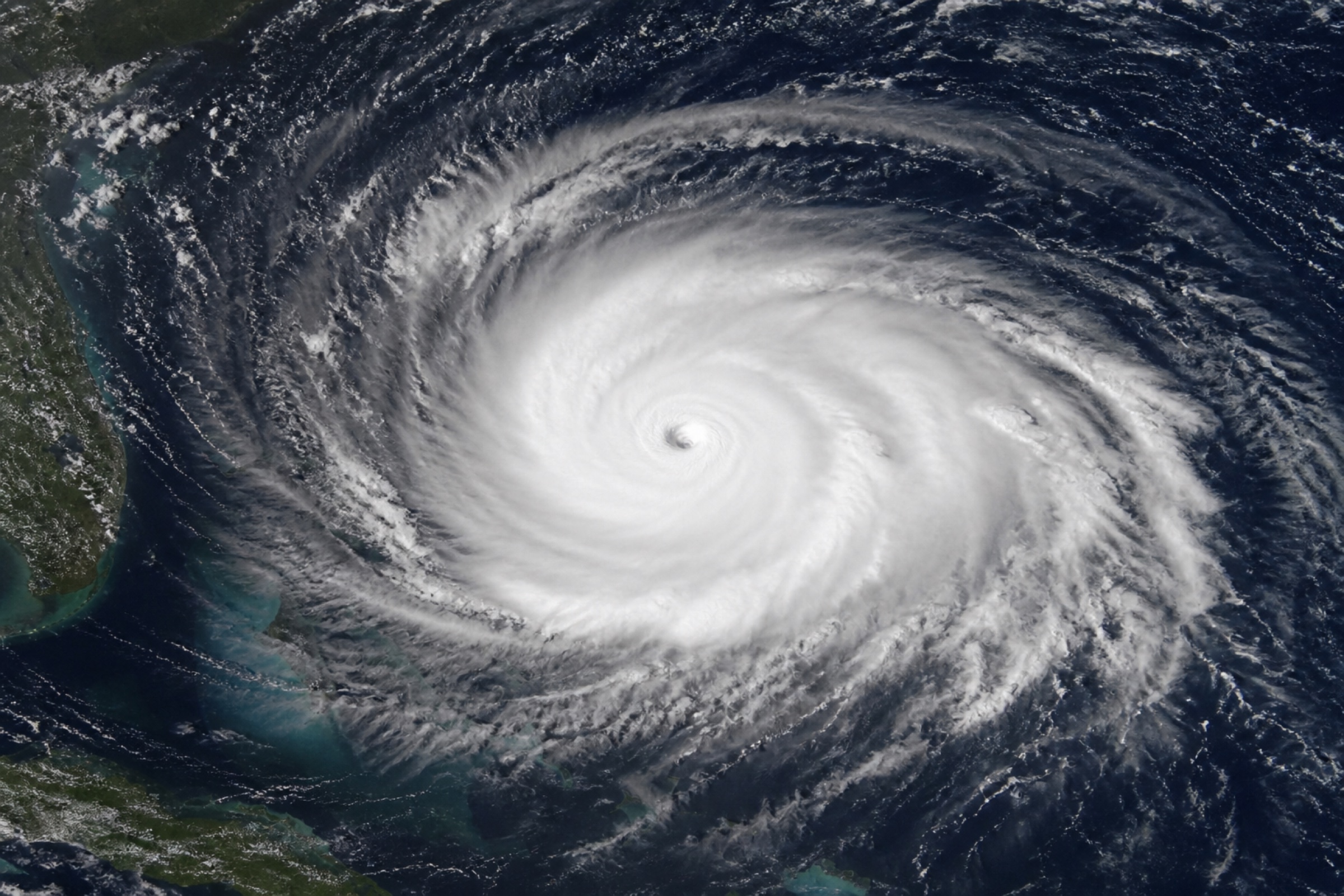
This has outpaced the frameworks many institutions still rely on. Risk is systemic, and systemic risk requires cooperation that crosses government, science, humanitarian action, and civil society.

Within that shift, volunteers and locally rooted networks are increasingly the connective tissue between early warning and early action — between global data and local decision-making.
This Forum is designed for those whose choices shape preparedness and response.

It is not a conventional conference track; it is a platform for dialogue across fields that rarely share a table.

  • UN agencies and multilateral bodies
  • Disaster risk reduction and emergency management institutions
  • Academic and research institutions
  • Humanitarian leaders and practitioners
  • Public policy makers
  • Foundations and institutional sponsors

But goodwill alone does not guarantee competent decision-making, coordination, or safety under pressure — and that gap is what this Forum exists to close.

Volunteering must evolve without abandoning what defines it: the willingness to act in service of others, now grounded in ethical clarity, professional standards, and intelligent use of tools that prevent harm before it occurs.

This is not a slogan. It is the architecture the Forum proposes for a field that can no longer afford to treat goodwill as a substitute for competence.

Expand the three cards below to explore each condition in depth.

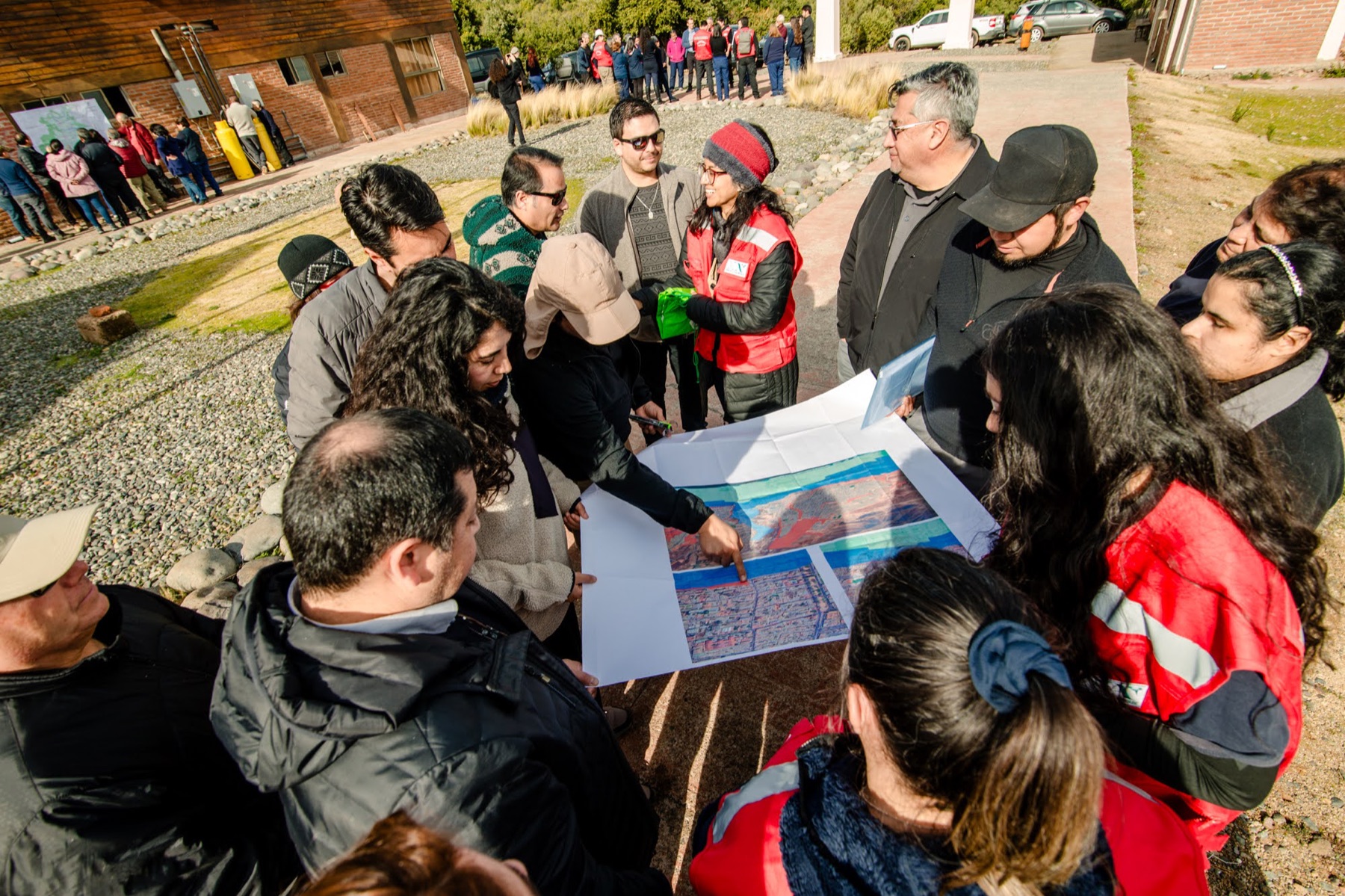
Volunteers planning on site with maps

Together, they decide well, act competently, and prevent harm before it happens.

Treating ethics, standards, and technology as separate conversations is precisely what limits their impact. Their integration is the central task facing humanitarian volunteering today.

The framework

Ethics · Standards · Technology

Three conditions. One integrated foundation for the volunteering the coming decades will require.

Volunteers regularly face scarce resources, incomplete information, and short time. Who receives assistance first? How do you balance urgency against unintended harm? What does dignity require in an unfolding emergency?

An ethical foundation gives a structured way to weigh competing goods and remain accountable to principles rather than instinct alone. Ethics is not a constraint on humanitarian action; it is what makes that action trustworthy.

Humanitarian standards create quality, trust, coordination, professionalization, and accountability. They are the bridge between the moral clarity ethics provides and the disciplined execution emergencies demand.

This Forum treats standards not as a specialist topic, but as a condition for volunteering to be taken seriously as a professional contribution to humanitarian action.

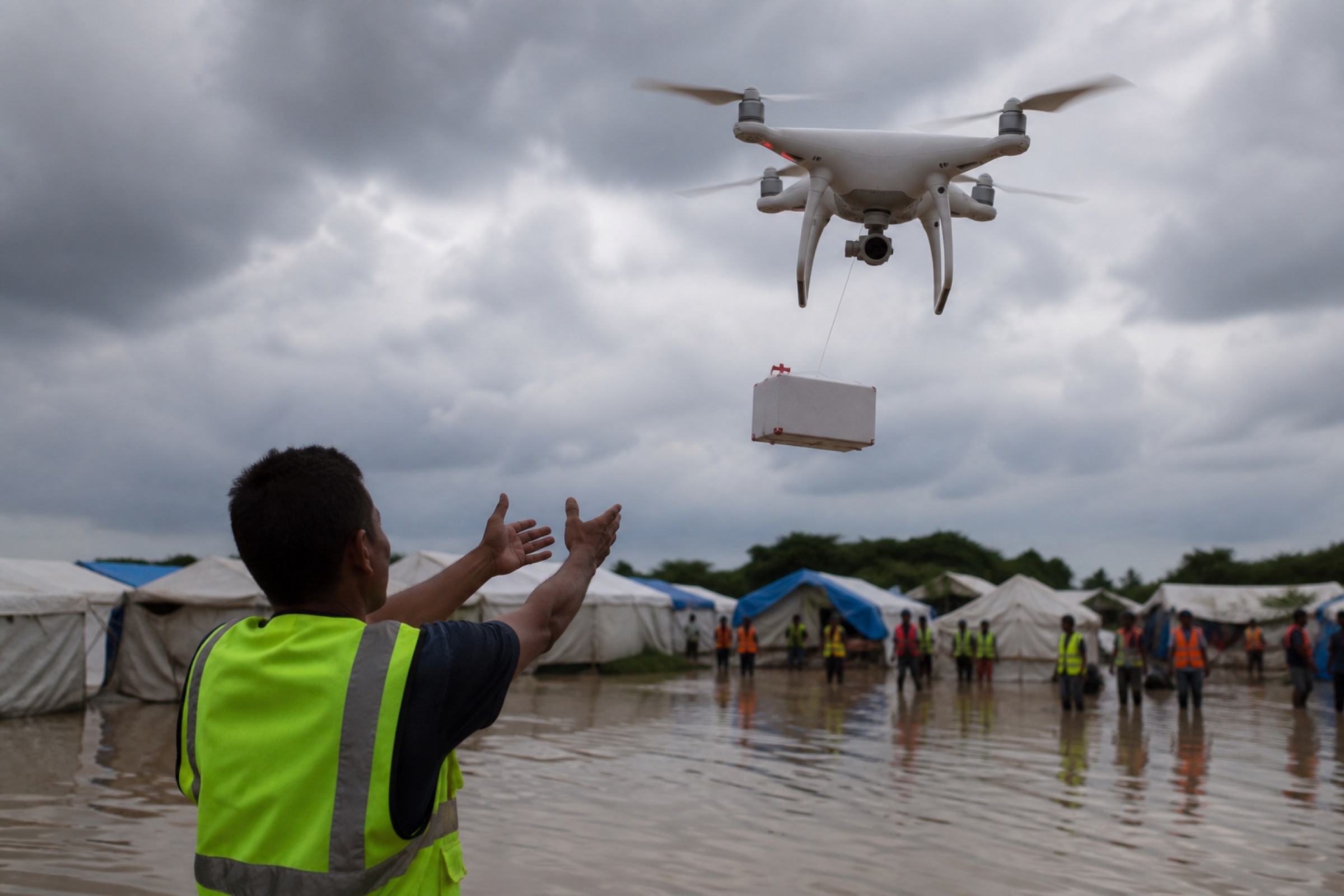
The significance of these tools lies less in what they can do during a crisis than in what they can do before one. Prevention, preparedness, and resilience are where technology offers its most transformative potential.

Without ethical direction and last-mile reach through volunteer networks, capability stays locked in institutions instead of becoming a shield for people at risk.

Humanitarian drone supporting flood response

Proposed programme

Dialogue grid

Two panels that bring together consciousness, method, science and systemic impact in one dialogue.

Online · ES / PT / EN · Simultaneous interpretation · Times in UTC

Consciousness and Method

How organizations translate principles into guidance volunteers can apply — and what a professionalized model requires in training, accountability, and coordination with the wider humanitarian system.

Science and Systemic Impact

What it takes to move AI, earth observation, and early warning from specialized use into local preparedness — and where volunteering can be the connective infrastructure between advanced science and the people it is meant to protect.

Speakers

Those who shape the dialogue

Voices from UNESCO, NASA, IAEM, Sphere, GNDR and New Acropolis — ethics, method, science and humanitarian action at one table.

Panel 1

14:10 – 15:40 UTC

Consciousness and Method

Juan Antonio Hernández

Panelist

Juan Antonio Hernández

Writer and academic · Education, culture and international relations

UNESCO

Two decades advancing critical thinking and the creative economy, with leadership in public administration across Latin America, Europe and Asia.

Juan Hernández Inirio is a Dominican writer and academic working across education, culture and international relations. For two decades he has advanced critical thinking and creative-economy initiatives in his country, holding leadership roles in public administration. His path has taken him across Europe, Asia and Latin America. He is pursuing a doctorate in Literary Studies at the Complutense University of Madrid. Los Devotos is his first novel, following books of poetry, short fiction and essays.

Raquel Weintraub

Panelist

To be confirmed

Raquel Weintraub

Network Development Advisor

Sphere

Strengthens Sphere’s global network to advance quality and accountability in humanitarian action.

Raquel Weintraub joined Sphere in 2025 as Network Development Advisor. She brings extensive professional experience in humanitarian action, coordination and capacity strengthening across America, Africa and Europe. Her background includes leadership roles in international NGOs, including as Chief Operating Officer at CADENA, where she supported emergency response, organizational development and global partnerships. She has been deployed to respond to crises in countries including Ecuador, Peru, the United States, Mexico, Guatemala, Venezuela, Colombia, Argentina, Brazil, Kenya and Poland (Ukraine refugee crisis), among others. Raquel is also a certified Sphere trainer and has served as Sphere’s focal point in Mexico, delivering trainings and workshops across regions and sectors to promote quality and accountability in humanitarian response. She holds a degree in Social Responsibility and Sustainable Development and is pursuing a postgraduate specialization in Socio-Environmental Conflict Advocacy.

Graciela Salaberri

Panelist

To be confirmed

Graciela Salaberri

Chair of the Global Board · GNDR

GNDR · Amigos del Viento · Women DRR

Uruguayan meteorologist advancing disaster risk reduction with a focus on vulnerable communities and women’s leadership.

Graciela Mercedes Salaberri Vacani is a Uruguayan meteorologist specializing in disaster risk reduction (DRR) and local development. She chairs the Global Board of the Global Network of Civil Society Organisations for Disaster Reduction (GNDR) and serves as its South America regional representative. She is Executive Director of Sociedad Amigos del Viento (AdelV) and a regional referent of the Latin American and Caribbean Women’s Network for Disaster Risk Reduction. With three decades in public service and more than twenty years in civil society, she has promoted a culture of prevention and the empowerment of vulnerable communities. She has chaired Uruguay’s Network of Environmental NGOs and chairs the Latin American and Iberian Federation of Meteorological Societies (FLISMET). She specialized in Integrated Risk and Disaster Management (Polytechnic University of Catalonia) and Local Development Management (ILO-DELNET, Turin).

Diana Caicedo

Case presenter

Diana Caicedo

South America Representative · GNDR Global Board

GNDR

Lawyer and public accountant strengthening rights-based disaster risk management with a gender and inclusion lens.

Diana Carolina Caicedo Enríquez is a lawyer and public accountant, specialist in Tax Law and Master in Public Finance, with experience in research, teaching, human rights, disaster risk management, inclusion and public policy. She is Executive Director of FUNSEMEVI, Coordinator of ORFE, Gender, Diversity and Inclusion Lead for the LAC Women’s Network for DRR, and South America Representative to the GNDR Global Board. Her work strengthens rights-based disaster risk management with a gender, diversity and inclusion lens.

Panel 2

16:00 – 17:30 UTC

Science and Systemic Impact

Jeff Pituch

Panelist

Jeff Pituch

Program Lead

NASA Lifelines

Connects Earth science and geospatial data with the needs of humanitarian organizations and frontline decision makers.

Jeff Pituch is the Program Lead for NASA Lifelines, working at the intersection of Earth science, geospatial data and humanitarian action. Since 2020 he has helped develop programmes and tools that connect Earth observation capabilities with the needs of humanitarian organizations and frontline decision makers. His work includes data-driven humanitarian applications, community engagement, capacity building and practical resources that make satellite data more accessible and actionable, as well as humanitarian simulation exercises.

Camilo Olivieri

Panelist

Camilo Olivieri

Global Emergency Manager · CEM

IAEM

Expert in occupational health, crisis leadership and operational resilience, with three decades in emergency management.

Dr. Camilo Olivieri, CEM, is a Global Emergency Manager and expert in occupational health, crisis leadership and operational resilience. His doctoral research in organizational psychology examined the psychological skills required for leadership in high-risk environments. He is deeply committed to first-responder wellbeing, advancing strategies that mitigate trauma and reduce burnout. With three decades in emergency management and a background as a firefighter-paramedic, he advocates a holistic, high-performance approach to health and leadership.

Juan Manuel de Faramiñán

Panelist

Juan Manuel de Faramiñán

Professor Emeritus · Public International Law

UNIVERSITAS · New Acropolis

Expert in Outer Space Law and space governance, with a long academic and international career.

Juan Manuel de Faramiñán Gilbert is Professor Emeritus of Public International Law and International Relations at the University of Jaén, Director of Universitas General Studies at New Acropolis, and an expert in Outer Space Law. Holder of the Jean Monnet Chair (1997–2007), he is international director emeritus of ReLaCa-Espacio, founding member of the ESA European Centre for Space Law and of the International Institute of Space Law. A Senior Associate Researcher at the Elcano Royal Institute and member of the Spanish Chapter of the Club of Rome, he has advised Ukraine’s Space Agency and authored widely on space governance, ethics and sustainable development in space.

Gabriel Paredes

Panelist

Gabriel Paredes

National Director · Sphere Focal Point

OINA · New Acropolis Dominican Republic

Leads humanitarian work toward disaster prevention and the implementation of Sphere standards in volunteering.

Gabriel Paredes is National Director of New Acropolis Dominican Republic, a nonprofit cultural, philosophical and humanitarian organization, and Sphere Standards Focal Point for the Dominican Republic. A Doctor of Psychology and Master in Risk Management, he leads his organization’s humanitarian work toward disaster prevention and the implementation of Sphere standards in volunteering. He is a consultant in emergency management and has served as visiting executive lecturer at several leading universities across the continent.

Diana Caicedo

Case presenter

Diana Caicedo

South America Representative · GNDR Global Board

GNDR

Lawyer and public accountant strengthening rights-based disaster risk management with a gender and inclusion lens.

Diana Carolina Caicedo Enríquez is a lawyer and public accountant, specialist in Tax Law and Master in Public Finance, with experience in research, teaching, human rights, disaster risk management, inclusion and public policy. She is Executive Director of FUNSEMEVI, Coordinator of ORFE, Gender, Diversity and Inclusion Lead for the LAC Women’s Network for DRR, and South America Representative to the GNDR Global Board. Her work strengthens rights-based disaster risk management with a gender, diversity and inclusion lens.

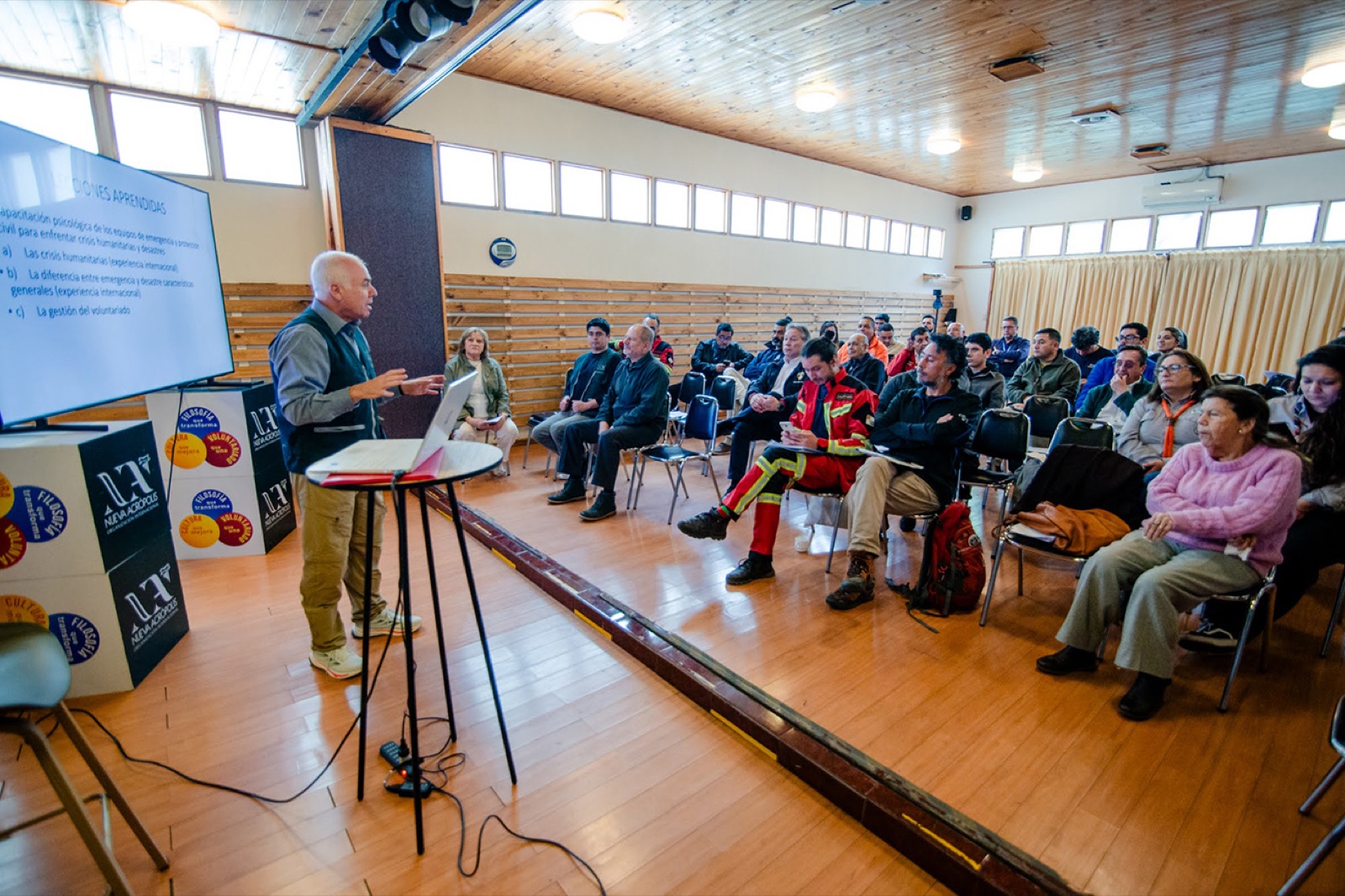
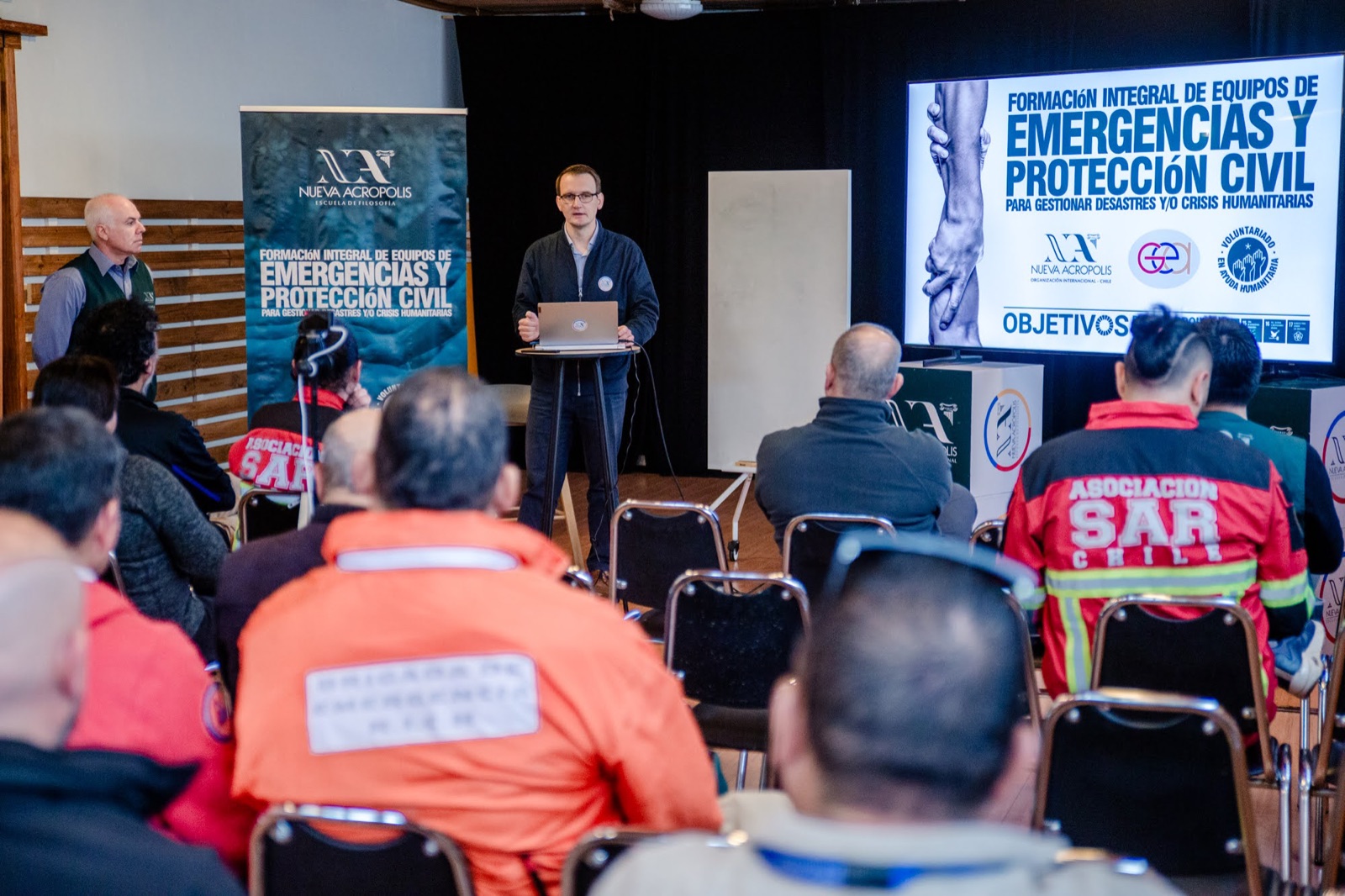
Hands-on training for humanitarian volunteers
About New Acropolis International
Nueva Acrópolis

The convener

About New Acropolis International

Philosophy as a practical discipline for living — and volunteering as service.

A global philosophical organization present in dozens of countries, engaged for decades in cultural, educational, and humanitarian work.

Humanitarian volunteering has long been part of this work. New Acropolis convenes this Forum not as the center of the dialogue, but to create the space, invite the expertise, and hold the conversation to a standard worthy of those who take part — contributing its experience in the ethical dimension of volunteering as one voice among many.

acropolis.org

Invitation

The conversation is open

Every generation inherits a version of humanitarian volunteering — and leaves behind the version it chose to change. This Forum is an invitation to integrate ethics, standards, and technology into one coherent foundation. The responsibility is shared. The invitation stands.

Complete the registration form

Gallery

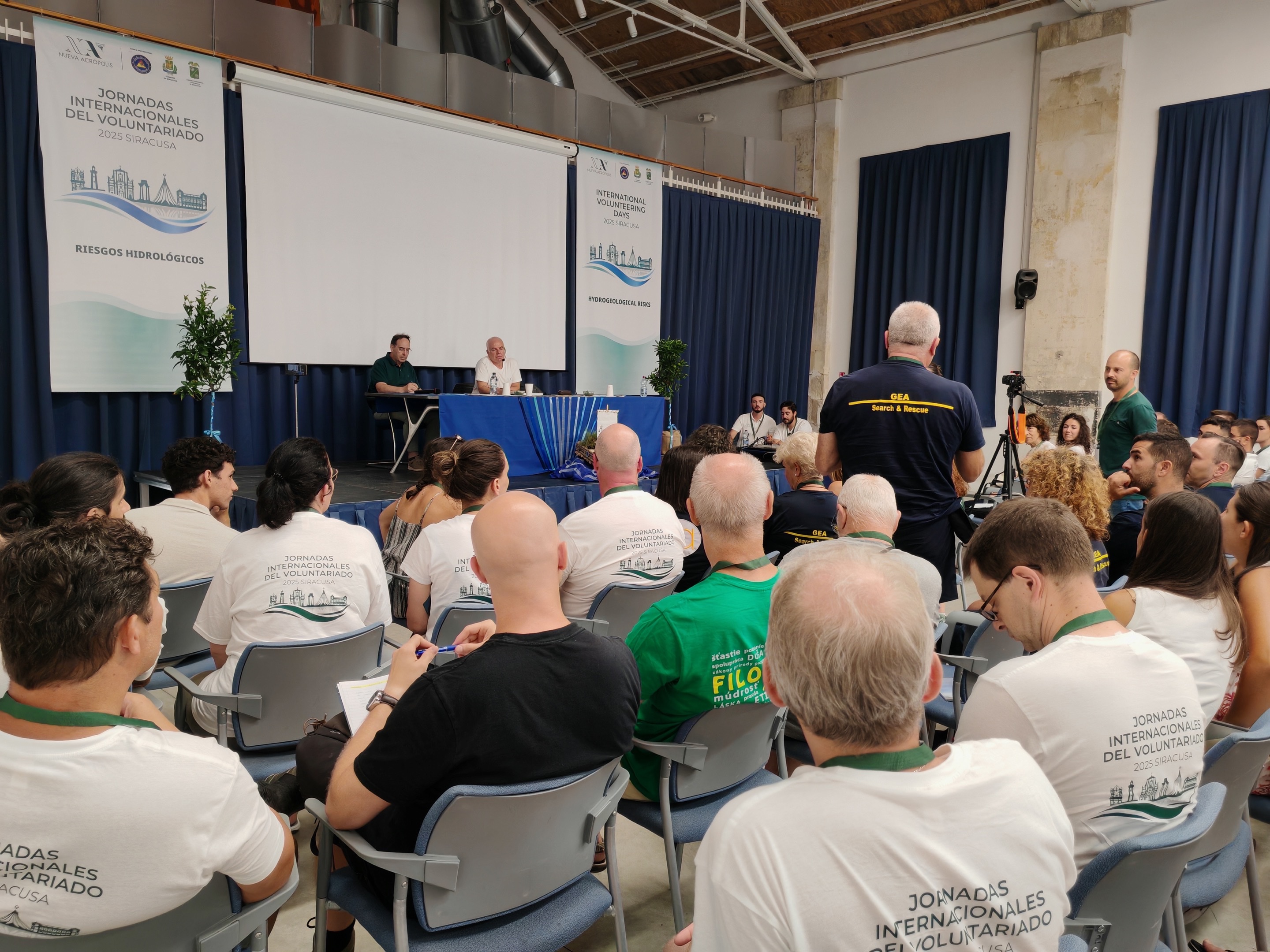
Volunteering in action

Training, congresses, emergency response, and field work: images from the New Acropolis international network.

Agenda 2030

Sustainable Development Goals

Which goals do we collaborate with?

This Forum aligns with New Acropolis' commitment to measure and strengthen its contribution to four priority SDGs — and asks how humanitarian volunteering can accelerate that contribution through ethics, standards, and technology.

  • SDG 4: Quality education

    SDG 4: Quality education

  • SDG 15: Life on land

    SDG 15: Life on land

  • SDG 16: Peace, justice and strong institutions

    SDG 16: Peace, justice and strong institutions

  • SDG 17: Partnerships for the goals

    SDG 17: Partnerships for the goals

Schedule

One session, your local time

Saturday 5 December 2026

Choose your reference city so you can join the online session on time.

  1. New York
    09:00 EST
  2. Santo Domingo
    10:00 AST
  3. Buenos Aires
    11:00 ART
  4. Madrid
    15:00 CET
  5. New Delhi
    19:30 IST

One live stream for every time zone, in Spanish, Portuguese and English with simultaneous interpretation. Zoom connection details will be sent to registered participants.

Reserve your place at the Forum

Share your details and we will send online access information and programme updates.

Country

  • No countries found

We will use this information only to organize the Forum and coordinate access.